Skip to content
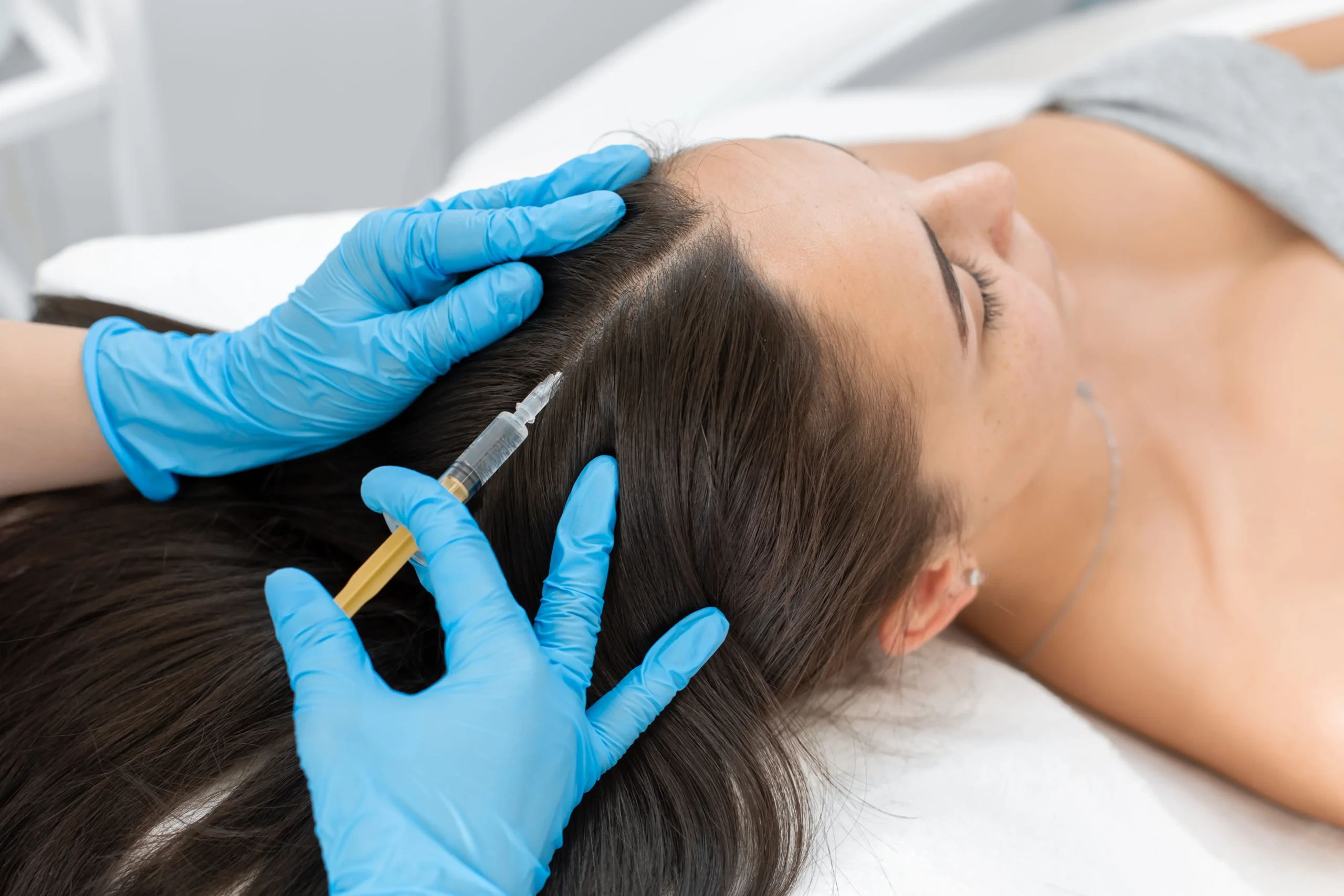
Table of Contents
Thinning hair has real solutions, and most of them start with understanding why it’s happening in the first place. If you’ve noticed more scalp showing through, a widening part, or hair that just doesn’t feel as full as it used to, you’re not imagining it, and you’re far from alone. That is where Hair restoration treatment at Laredo Wellness and Aesthetics fits in.
Why is hair restoration treatment effective for thinning hair?
Hair restoration treatment is effective for thinning hair because it supports the follicles you still have, improving scalp health and circulation so they can produce thicker, stronger strands. Targeting the environment around active follicles encourages healthier growth over time.
Why Hair Starts Thinning in the First Place
Hair thinning usually comes from a mix of factors rather than a single cause. Understanding what’s driving yours is the first step toward addressing it, because the right approach depends on the why.
A few of the most common contributors:
- Genetics. Pattern hair loss, the kind that runs in families, is the most frequent reason both men and women see gradual thinning. It tends to follow predictable patterns over the years.
- Hormonal shifts. Pregnancy, menopause, thyroid changes, and other hormonal events can all push more follicles into a resting, shedding phase.
- Age. Follicles naturally produce finer, slower-growing hair as the years go on, which reads as overall thinning.
- Stress, illness, and nutrition. A major stressor or a period of poor nutrition can trigger noticeable shedding a few months later, sometimes long after the event itself.
- Scalp conditions. Inflammation, buildup, and an unhealthy scalp environment make it harder for follicles to do their job.
That last point matters more than most people expect. Hair grows out of skin, and the condition of that skin shapes what the follicle can produce. This is why scalp health is at the center of most modern thinning-hair solutions.
What Hair Restoration Treatment Actually Does
Hair restoration treatment works by improving the environment around your hair follicles so they can function more effectively. Rather than forcing growth, these approaches focus on supporting the follicles you already have, encouraging them toward a healthier, more active growth phase. The general goal is scalp rejuvenation: calming inflammation, improving circulation in the area, and creating conditions that better position follicles to produce thicker, stronger strands.
Depending on the specific thinning hair solutions your provider recommends, this may involve stimulating the scalp directly, delivering nutrients or growth-supporting factors to the area, or a combination of methods tailored to your particular type of thinning.
What it doesn’t do is create new follicles where none exist. Hair restoration treatment supports and revitalizes living follicles, which is why it tends to work best when thinning is caught earlier rather than after an area has gone fully bald. A consultation is when a provider assesses your scalp and honestly tells you what’s realistic for your situation.
What Results Can You Realistically Expect?
Most patients begin noticing changes within a few months, though hair grows slowly and patience is part of the process. Because each growth cycle takes time, meaningful improvement in density usually appears gradually rather than overnight.
Here’s an honest timeline of what tends to happen:
- First weeks: Little visible change. The work is occurring at the level of the follicle.
- Two to four months: Many patients notice reduced shedding first, then early signs of fuller growth.
- Four to six months and beyond: Improvements in density and hair regrowth often become more apparent, building on the earlier sessions.
Results vary from person to person. They depend on your age, the cause and stage of your thinning, your overall health, and how consistently you follow the recommended plan. Many people maintain their results with periodic follow-up treatments, since hair loss is an ongoing process and maintenance helps hold the gains.
No reputable provider can guarantee a specific outcome, and anyone who does should give you pause. Our provider at Laredo Wellness and Aesthetics can set clear, realistic expectations based on what they see on your scalp.
Is Hair Restoration Treatment Right for You?
Hair restoration treatment suits a wide range of people dealing with thinning hair, but it isn’t right for everyone, and that distinction matters. The best candidates are those who still have active follicles in the thinning areas, which is why earlier intervention generally gives more to work with.
You may be a good fit if you:
- Have noticed gradual thinning, a widening part, or reduced density rather than complete, long-standing baldness
- They are generally in good health
- Want a non-surgical option and have realistic expectations about gradual, variable results.
- Are willing to follow through on a treatment and maintenance plan
Caring for Your Scalp Between Treatments
Good scalp health habits support whatever in-office treatment you pursue, and they’re worth building regardless. Think of your scalp as the soil and your follicles as what’s growing from it.
A few simple practices help:
- Keep the scalp clean without over-washing, which can strip it and cause irritation
- Be gentle with heat styling and tight hairstyles that tug at the roots
- Eat a balanced diet with enough protein, iron, and key vitamins, since follicles need fuel
- Manage stress where you can, since it has a real and documented effect on shedding
- Protect your scalp from sun exposure, especially in thinning areas
None of these replace professional treatment, but they create a healthier foundation for it to build on. Your provider can recommend specifics suited to your scalp and the treatment plan you choose.
Common Questions About Hair Restoration
- How many sessions will I need? It varies. Many plans involve a series of initial sessions followed by periodic maintenance, because hair loss is ongoing. Your provider will outline a schedule based on your scalp and goals.
- Is there any downtime? Recovery is generally quick for non-surgical approaches, and most people return to their normal routine right away. Your provider will give you any specific aftercare guidance.
- Will it work for women too? Yes. Thinning hair affects both men and women, and these treatments are suitable across genders. The cause and pattern of thinning differ, which is why a personalized assessment matters.
- How long do results last? Results vary and typically aren’t permanent on their own. Many patients maintain their improvement with follow-up treatments over time, since the underlying causes of thinning don’t disappear.
Glow Up Your Hair
If you’ve been watching your hair change and wondering what to do about it, Laredo Wellness and Aesthetics is here to help you find real answers. Our team offers personalized, clinically guided hair restoration in Laredo, TX, designed around your specific needs. Book your hair restoration session today!